

Release the lot
Carbon black content, moisture and MFI are checked against the grade before shipment.
BK020 is GE CHEMICAL’s 20% virgin carbon black masterbatch for trash bags, injection molding and re-granulating. The current TDS lists a 22% LLDPE + LDPE carrier, 10% dispersing agent and 47.8% CaCO₃ filler.
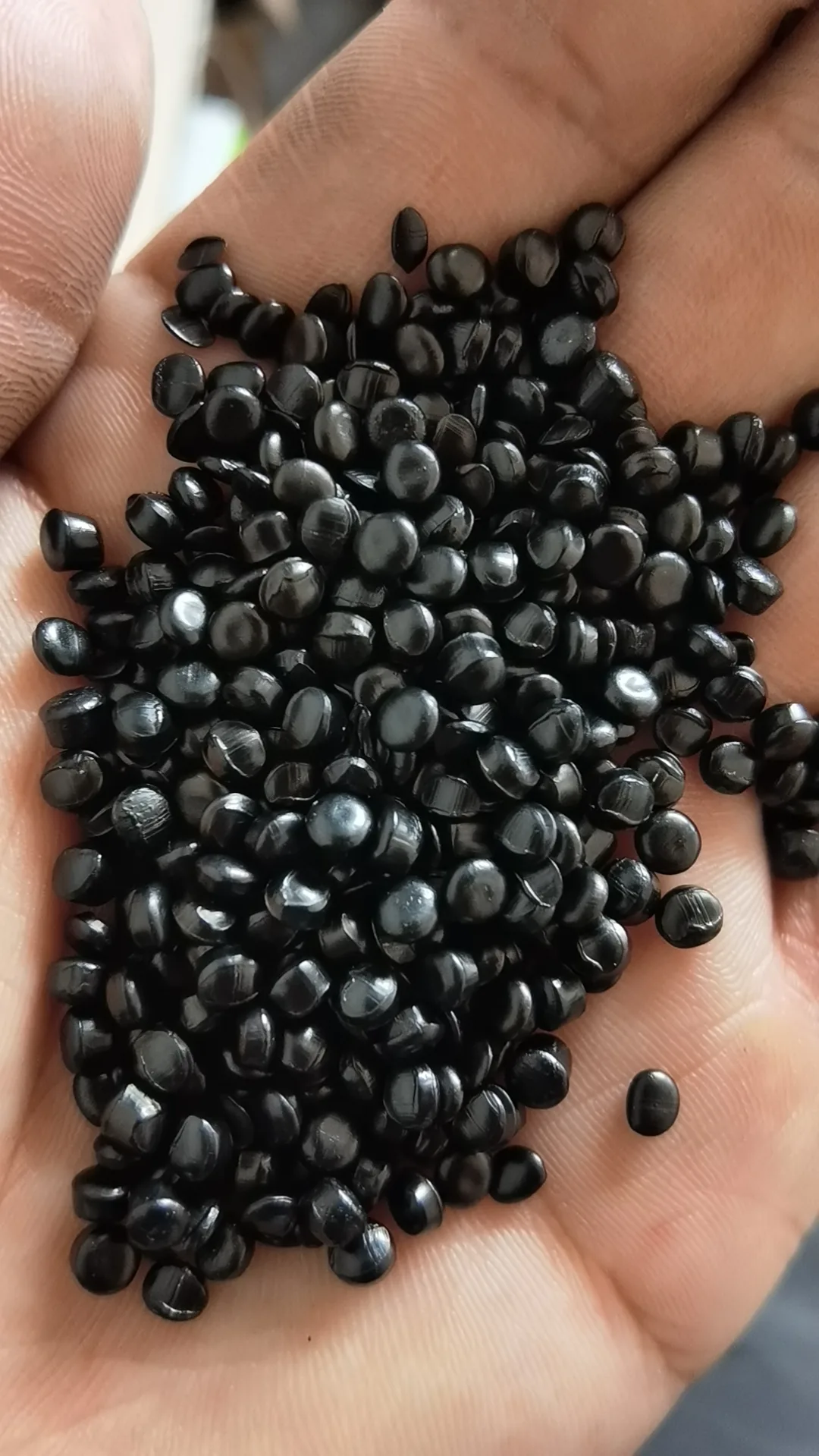
BK020 is the cost-led entry of the five-step 20%–40% range. It keeps the highest filler level in the range so cost per bag or part stays low while the black stays consistent.
Choose BK020 when cost per output comes first and a dependable, opaque black is enough. Move up to BK025 or higher when the film looks grey or a lower dosage matters.
Compare all BK grades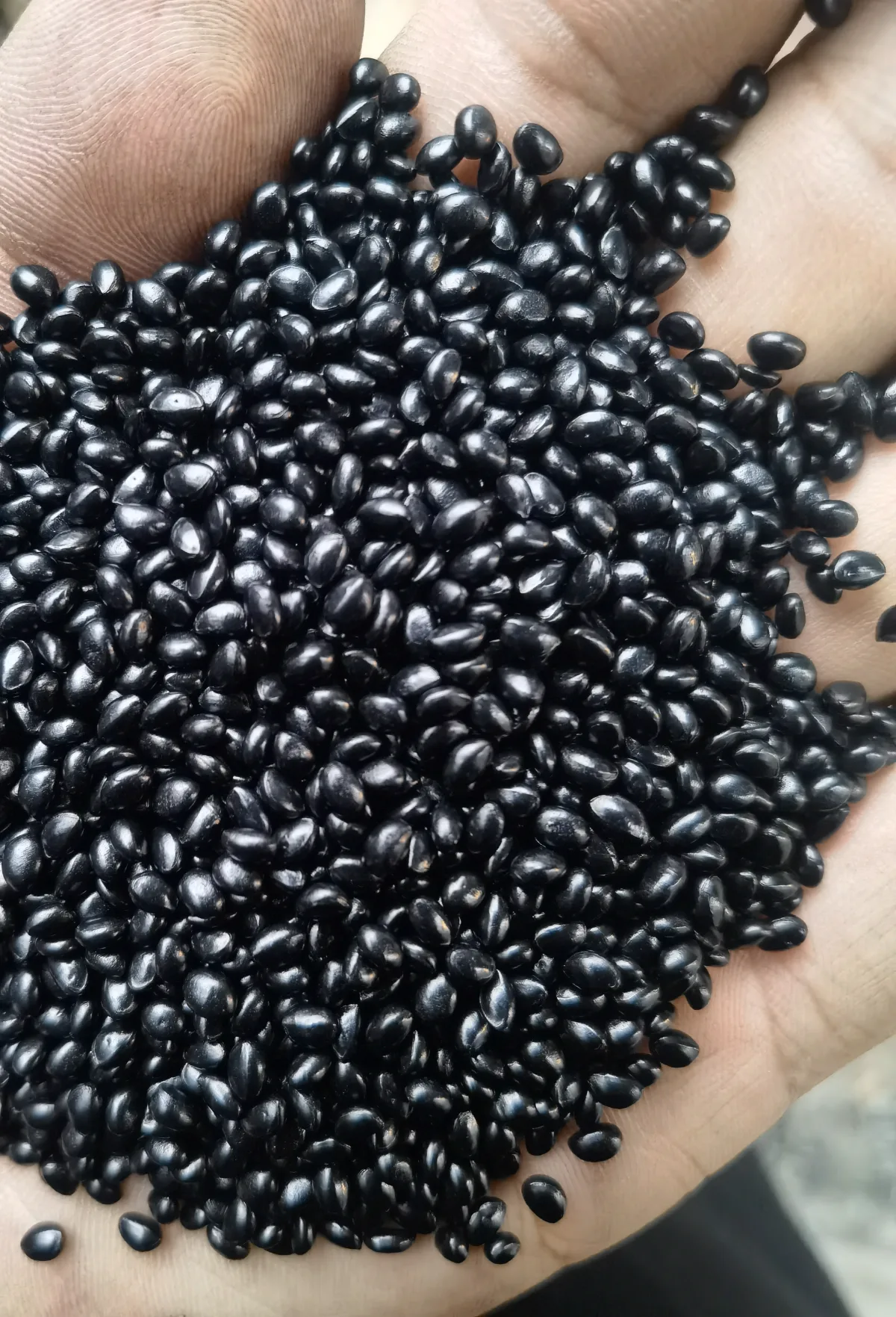
BK020 sits at the cost-led end of the five-grade range. It carries 20% virgin carbon black, a 22% LLDPE + LDPE carrier, and 10% PE wax and stearic acid. The 47.8% filler level is the highest in the range, keeping cost per kilogram low while giving a consistent, opaque black for bags and general parts.
BK020 is positioned mainly for trash bags, injection molding and re-granulating on the current TDS. Confirm the final fit with the base resin and operating conditions.
Use BK020 when refuse and carrier bag film needs opaque, consistent black at the lowest cost per bag.
Use BK020 for uniform black on general molded parts where cost and adjustable flow matter most.
Use BK020 where recycled PE needs consistent black coverage that masks regrind color variation at low cost.
These values come from the current BK020 technical data sheet. Confirm the latest controlled version for quotation and approval.
Uniform 2.5mm granules, adjustable MFI and a PE carrier make BK020 suitable for product trials in trash bag film and molding applications.
| Commodity | Black masterbatch |
|---|---|
| Appearance | Black granule |
| Model | BK020 |
| Granule size | 2.5 × 2.5 × 2 mm |
| Carbon black | 20% virgin carbon black |
| Carrier | LLDPE + LDPE, 22% |
| Dispersing agent | PE wax + stearic acid, 10% |
| Filler | 47.8% CaCO₃, filled grade |
| Softening | Good, does not block the screen |
| Dispersion | Good, no carbon black specks |
| Moisture | 0.2% max |
| MFI | 3–50 g/10min at 190°C, 21.6kg, adjustable |
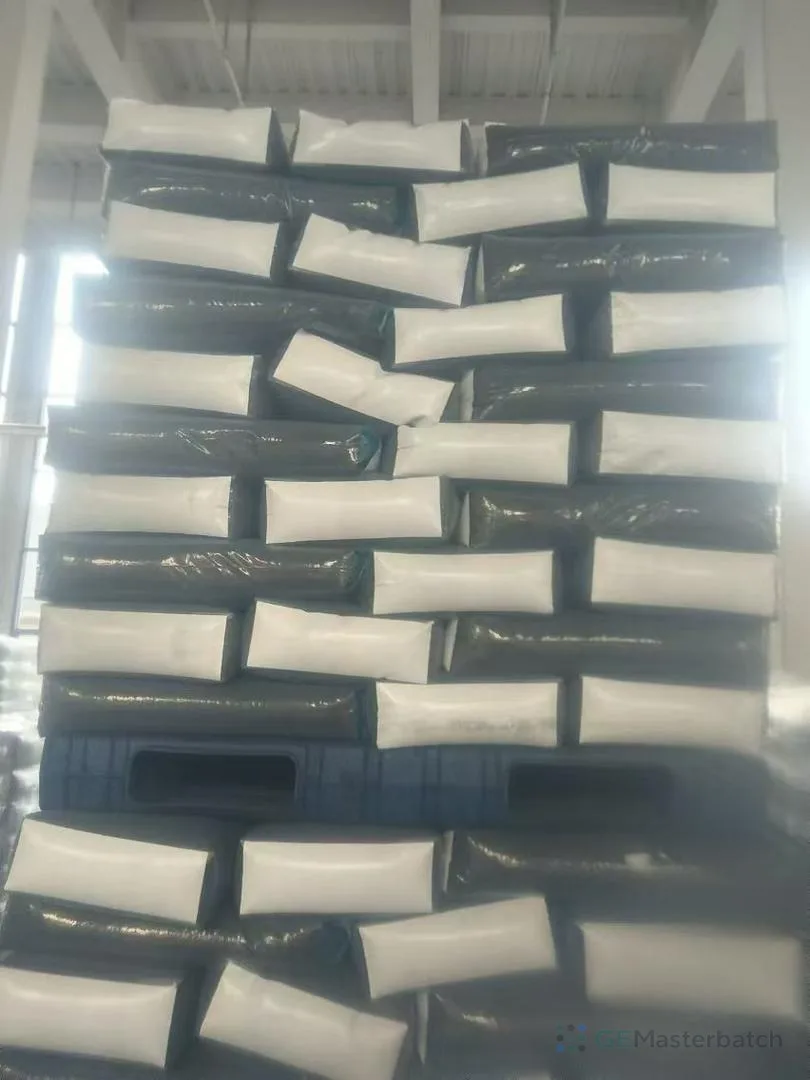
| Packaging | 25kg per bag |
| Additional ratio | 2%–5% recommended, adjustable to production |
| Applications | Trash bags, injection molding, re-granulating |
Start with the batch record, confirm the sample against your resin, then verify BK020 on the line before a production order.
Carbon black content, moisture and MFI are checked against the grade before shipment.
Share PE or PP, process and target so the sample direction fits the application.
Check jetness, gloss, dispersion and feeding at the intended addition rate.
Forty practical questions on grade selection, applications, troubleshooting, documents and purchasing. Open a group or go directly to the question you need.
Request BK020 TDSBlack masterbatch is a concentrated pellet made of carbon black pigment dispersed in a carrier resin with dispersing aids and additives. Instead of handling dusty carbon black powder, you dose identical pellets into your base resin. Our BK020 contains 20% carbon black, an LLDPE + LDPE carrier, PE wax and stearic acid, and 47.8% CaCO₃ filler, compounded and cut into uniform 2.5mm granules. The carrier makes it compatible with your base resin, while the carbon black delivers the color and UV protection.
“Carbon black masterbatch” and “black masterbatch” refer to the same product — the pigment is carbon black (Color Index Pigment Black 7). The name simply emphasizes the pigment. When a supplier says “carbon black masterbatch,” they are telling you the black comes from carbon black rather than a dye, which matters because carbon black also gives UV protection and opacity, not just color.
Raw carbon black is a fine, dusty powder that is hard to handle, hard to dose accurately, and hard to disperse evenly. A masterbatch pre-disperses the carbon black into a pellet, which eliminates dust in your workshop, gives you reproducible dosing, and delivers consistent color batch after batch. In practice, switching from powder to masterbatch usually means a cleaner floor, stable filter pressure, and fewer rejected rolls — which is why processors keep moving to pelletized concentrate.
Jetness is how deep and neutral the black looks. It depends mainly on the carbon black particle size — smaller particles give a deeper, more blue-toned black, while larger particles look browner but are easier to disperse and cheaper. For a deep black in film or molded parts, you want a fine furnace black that is well dispersed. For a cost-driven product like a trash bag, a slightly lower jetness at a lower cost is often the better trade-off than chasing the deepest possible black.
Carbon black content tells you how much carbon black is in the pellet (our BK020 is 20%). Carbon black grade tells you the type of carbon black — its particle size, structure, and surface chemistry. Two masterbatches with the same 20% content can perform very differently if one uses a fine high-jetness grade and the other a coarse low-cost grade. The grade sets the ceiling on how black and how UV-resistant you can get, while the content sets how much you dose. Always check both numbers before you compare suppliers.
It depends on your application and the final opacity you need. For film and injection molding, 20% to 35% carbon black is a common working range, added at 2% to 5% by weight. For deep black with a low addition rate, a higher content (35% to 50%) lets you dose less. The finished product is what matters — a trash bag needs enough carbon black to be fully opaque, not a specific pellet percentage. Our BK020 at 20% is a balanced, cost-effective choice for trash bags and general molding.
The carrier resin is the bridge that carries the carbon black into your polymer. If the carrier does not match your base resin, you get poor color development, matte surfaces, or reduced impact strength. A mismatched carrier looks fine in the pellet but fails in the part. Our BK020 uses an LLDPE + LDPE carrier, which is directly compatible with LDPE and LLDPE film and molding applications, so it melts and mixes cleanly instead of leaving gels or weak points.
Generally yes for simple products, because PE and PP are both polyolefins and share some compatibility. But for demanding PP parts, a PE carrier can lower stiffness or cause surface issues. If you run PP, tell us — we can supply a PP-carrier black masterbatch that matches your resin instead of forcing BK020 into a job it was not built for.
The typical let-down ratio is 1% to 5% by weight, depending on your product and the opacity you need. Our BK020 is recommended at 2% to 5%. Adding too little gives a grey or translucent product; adding too much wastes material and can hurt mechanical properties and processing stability. Start with a small-batch trial on your own line to find the exact ratio for your machine, product thickness, and target blackness — then lock it in for repeat runs.
MFI tells you how easily the masterbatch melts and flows. If the masterbatch MFI is far from your base resin, it will not mix evenly and can cause streaks or poor dispersion, because the two materials travel through the screw at different speeds. Our BK020 has an MFI of 3–50 g/10 min (190°C, 21.6 kg), and we can adjust the MFI to match your machine and resin so it flows the way your line needs. Matching the MFI is what makes the difference between a clean color and visible streaks.
Dispersion is how evenly the carbon black is separated inside the carrier. Poor dispersion shows up as black specks in film, screen pressure rise, and weak spots in thin parts. It is measured by a filter pressure value (FPV) test — forcing melt through a fine mesh and recording pressure rise over time; a lower, flatter FPV means better dispersion. Good dispersion is the single most important quality factor in a black masterbatch, because it is what you cannot see until the defect is already in your product.
Because carbon black content is only one parameter. The carbon black grade, carrier resin, dispersant system, and compounding process all affect the result. A masterbatch with the same 30% content but a cheaper grade and weak dispersion will need a higher addition rate and still look worse, while a well-dispersed grade reaches the target blackness at a lower dose. Judge the final result on your line, not just the percentage on the datasheet — two identical-looking datasheets can be very different products.
Moisture in the masterbatch turns to steam in the barrel and creates bubbles, voids, splay marks, and uneven surfaces. This matters most in thin film. Our BK020 is controlled to 0.2% max moisture, which helps you avoid surface defects. For humid climates, we also pack in moisture-resistant bags to keep the pellets dry in storage.
Yes, our BK020 contains 47.8% CaCO₃ filler, which lowers the cost per kilogram while maintaining a consistent black. The trade-off is that filler can slightly reduce gloss and mechanical strength compared to a filler-free grade. For cost-driven products like trash bags and utility parts, this is usually a good deal — you get an opaque black at a lower cost per ton of output. If you need a higher-gloss or higher-strength black, tell us — we can supply a grade with less or no filler instead.
For trash bags, you want a cost-effective grade with good opacity and clean dispersion, because films are thin and any agglomeration shows up as specks. Our BK020 is built exactly for this — a 20% carbon black, LLDPE/LDPE-carrier grade that gives dependable black for refuse bags and carrier bags at a low cost per bag.
For blown film, dispersion and low gel count are the priorities, because the film is thin and any agglomeration shows up as a visible defect. You also want a carrier matched to your film resin and low moisture to prevent bubbles. Our BK020 uses an LLDPE + LDPE carrier with stable dispersion and 0.2% max moisture, making it a solid choice for blown film lines making garbage bags, carrier bags, and shopping bags.
For injection molding, you want uniform color, good surface finish, and a carrier that does not reduce the mechanical strength of the molded part. Flow marks and weld-line weakness are the common failures when the masterbatch does not match the resin. Our BK020 disperses cleanly with no carbon black spots, and its adjustable MFI lets us match the flow to your molding machine. It works well for general black molded parts like household items and industrial components.
Yes. Black masterbatch is widely used to color recycled resin, and black is ideal for masking the natural color variation of regrind — one of the main reasons converters pick black for recycled PE. Our BK020 is suitable for re-granulating and recycled PE, and its CaCO₃ filler helps offset the cost of recycled material. Because recycled resin varies from lot to lot, we recommend a trial to confirm the addition ratio and final blackness on your specific regrind before you commit.
For LDPE and LLDPE film, the carrier must match the film resin so it melts and mixes cleanly. Our BK020 is formulated with an LLDPE + LDPE carrier, so it is directly compatible with your LDPE/LLDPE film line. This matched carrier gives clean dispersion and consistent color without gels or streaks.
For HDPE pipe that needs UV protection, the carbon black grade and dispersion matter more than the blackness. Pipe grades typically need about 2% to 2.5% carbon black in the finished pipe, finely dispersed. BK020 is a general-purpose grade for bags and molding — if you need a dedicated pipe grade with UV-stable carbon black, contact us and we will recommend the right product.
Black specks and tiger stripes are almost always a dispersion problem — carbon black agglomerates that were not fully broken down during compounding, or a carrier that does not match your film resin. In blown film, even a small number of undispersed agglomerates becomes visible as the film is stretched thin. A well-dispersed masterbatch like our BK020 avoids this. If the problem started after switching suppliers, the new grade likely has weaker dispersion, and a higher dose will not fix it — you need a better-dispersed grade.
Four usual causes, in order: total carbon black content too low (dosage × concentration), a coarse pigment grade, poor dispersion leaving light-scattering agglomerates, or color variation in your natural resin. Check your addition ratio first, then the grade and dispersion. If it is still grey, contact us — we will help you diagnose it and recommend the right grade and dosage for your product.
Our MOQ depends on the grade and your destination. For a first order, we can usually arrange a trial quantity so you can validate BK020 on your line. Tell us your monthly volume and base resin, and we will confirm the MOQ for your order.
Lead time depends on the grade, quantity, packing and any agreed adjustment. The current page does not publish a fixed production or delivery period. Share the destination, monthly volume and required date so the quotation can state the applicable lead time.
Yes. We provide free samples so you can check dispersion, color, and processability on your own line before you commit. Send us your base resin, processing method, and the product you make, and we will arrange a trial sample of BK020 for you.
Our black masterbatch is packed in 25 kg bags, with moisture-resistant packaging to keep the pellets dry during storage and shipping. If you need a different pack size or pallet configuration for your handling, tell us and we can accommodate.
Do not compare price per kilogram alone. Compare the cost per ton of your finished product, using “masterbatch price × actual addition rate.” A cheaper masterbatch that needs a higher dose can cost you more per ton of output. Also factor in dispersion — poor dispersion forces you to add more to reach the same blackness, which erases the price advantage. The real question is what it costs to make one ton of your product at an acceptable blackness, not what one kilogram of masterbatch costs.
The BK020 TDS lists MFI as adjustable and describes the standard carbon black, carrier and filler scope. A change to those components may require a different grade and trial review. Share the requirement so the team can confirm what is available instead of assuming BK020 can be rewritten without limits.
OEM and private-label support is not stated in the current BK020 public product file. Discuss the required brand, packaging, destination and order volume with the quotation team before treating it as an approved service for this grade.
Send us six things: your base resin and its MFI, your processing method (blown film, injection, extrusion), your processing temperature, your product thickness or film gauge, your target blackness, and your monthly volume. With these we can quote the right grade and dosage instead of a generic category.
Payment terms are confirmed in the quotation for the buyer, destination and order scope. The public product page does not publish a fixed T/T, L/C or credit term. Share the company and destination details through the quote route for the applicable terms.
The current BK020 TDS covers appearance, carbon black content, carrier, granule size, dispersing agent, filler, moisture, MFI, packaging and recommended addition ratio. Request the controlled version through the technical-document form; typical values should be checked against the exact grade and lot documents.
A black masterbatch MSDS/SDS is included in the available project files, but its exact grade and revision must be matched to the request. Ask for the current controlled document for BK020 and the destination before production approval.
Lot COA availability should be confirmed by grade and order. Request the document for the exact BK020 lot and state whether carbon black content, moisture and MFI must appear. Do not treat the product page as a substitute for the lot COA.
The available RoHS material is a sample report for the tested black product, not a blanket certificate for every BK020 lot or application. Share the destination, grade and customer requirement so RoHS document availability and scope can be confirmed.
The BK020 product page does not establish food-contact or FDA approval. If the application requires it, state the target market, exact grade and end use. The team will confirm whether any applicable declaration exists; a general black masterbatch should not be assumed suitable without the controlled documents.
REACH document availability and scope must be confirmed for the grade, destination and buyer role. The public BK020 file does not establish a blanket REACH declaration. Request the controlled document through the technical-document route.
We control batch-to-batch consistency through our well-equipped lab and standardized production. We test carbon black content, moisture, and melt flow on every lot, so the tint strength and blackness stay consistent from week to week. Consistent tint strength is what lets you run the same recipe without adjusting your machine settings, and without silent cost drift when operators compensate by changing the let-down ratio.
Bubbles and voids are usually caused by moisture in the masterbatch or base resin turning to steam in the barrel. This is most common in humid climates or when bags are stored open. Our BK020 is controlled to 0.2% max moisture and packed in moisture-resistant bags. Store the bags dry and reseal them between uses, and if you process in a very humid environment, pre-dry the material before molding to keep the surface clean.
Before your first trial, confirm the base resin and MFI, the processing temperature, the product thickness, and the addition ratio you plan to use. Run a small batch and watch for black specks, streaks, and surface finish. Compare against a control sample, and keep a sample of the approved masterbatch for future batch reference. A lab test on a small machine will not always reveal what shows up on a full production line, so a real line trial is the only reliable test.
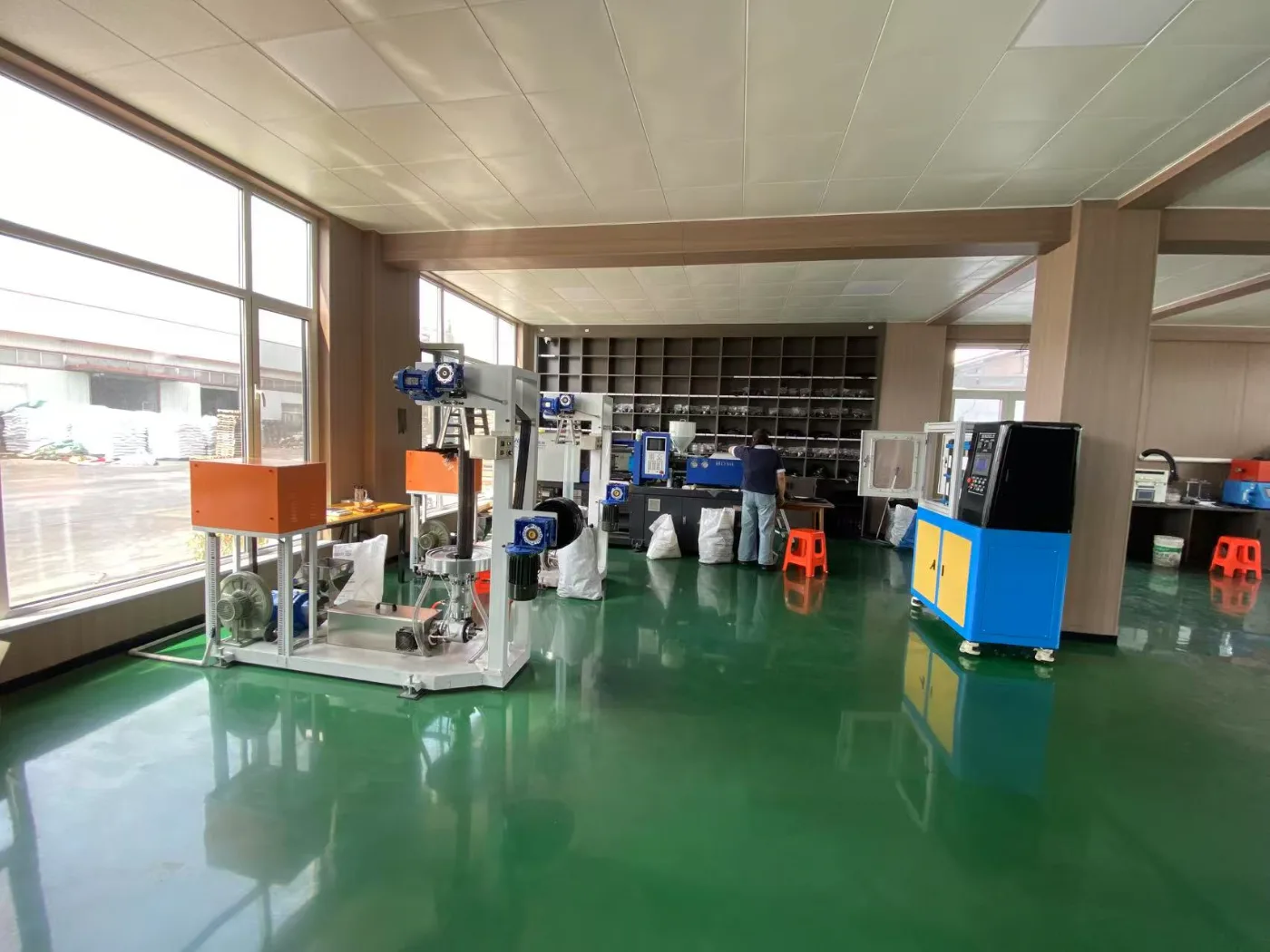
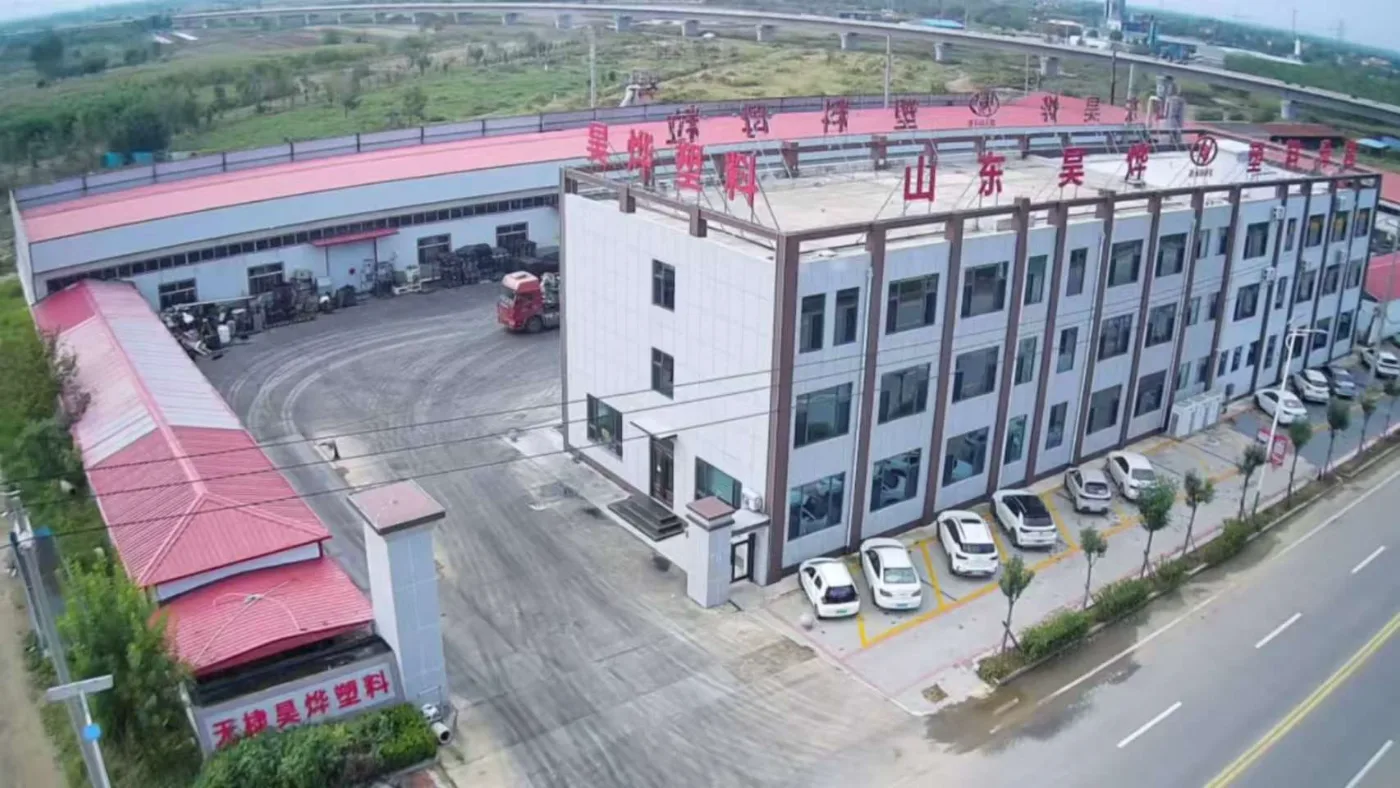
GE CHEMICAL runs 12 production lines with over 50,000 tons of annual capacity, supplying more than 30 export markets. The range runs from cost-first BK020 to the 40% high-jetness BK040.
Ready to test 20% carbon black masterbatch BK020? Send the base resin, process and monthly volume. Include the final application if known so the team can review the grade and sample route.