

Review the data
Check the current TDS for carbon black, carrier, filler, moisture and MFI scope.
PT-300 is GE CHEMICAL’s 25% virgin carbon black masterbatch for film blowing, injection molding and re-granulating. The current TDS lists a 21% LLDPE + LDPE carrier, 12% dispersing agent and 41.8% CaCO₃ filler.
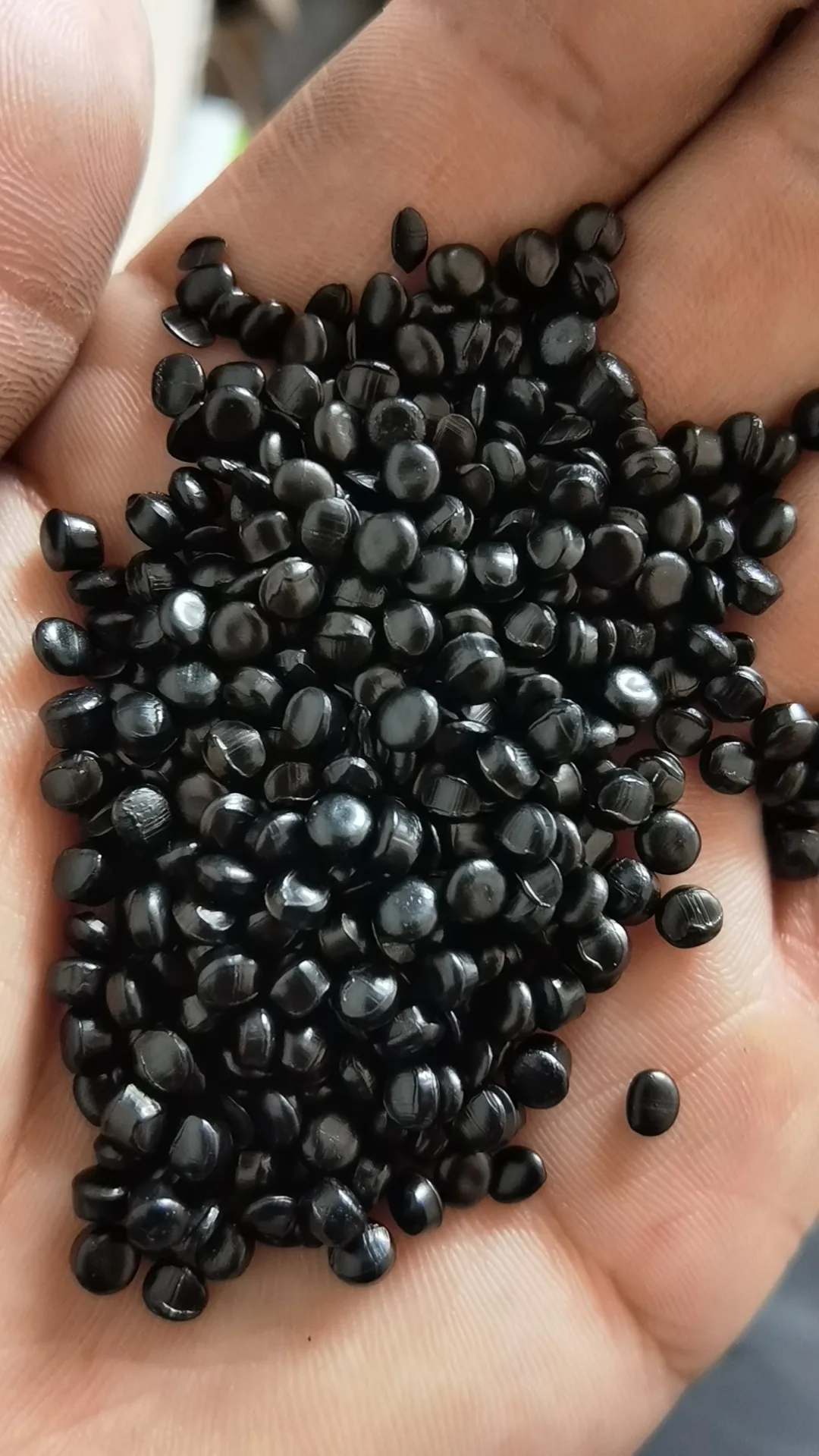
PT-300 carries more pigment than the 20% BK020 workhorse while keeping a substantial filler share for cost-aware film, molding and regrind work. It shares a 25% loading with BK025, but uses 21% carrier and 41.8% CaCO₃ instead of BK025’s 25% carrier and 37.8% filler.
Choose PT-300 for a filled 25% grade in film, molding or regrind work. Compare BK025 for more carrier and less filler, or BK040 when maximum jetness and a lower addition rate matter more than filled economics.
Compare PT-300 with BK025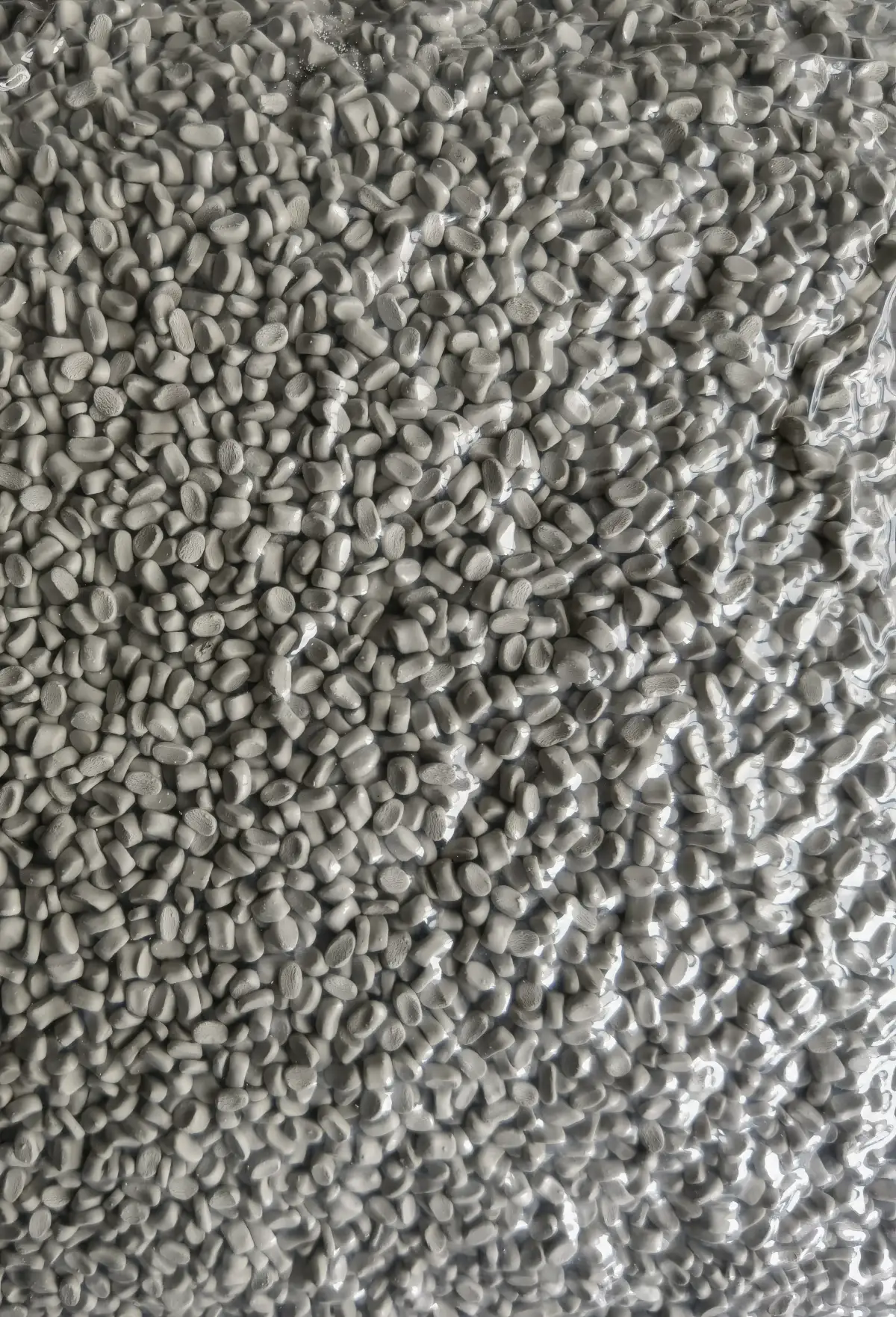
PT-300 carries 25% virgin carbon black, a 21% LLDPE + LDPE carrier, 12% PE wax and stearic acid, and 41.8% CaCO₃ filler. The filled design supports cost-aware opacity for bags, utility moldings and regrind. Check gloss, mechanical requirements and the final let-down ratio on the actual product.
The current TDS lists film blowing, injection molding and re-granulating. Confirm the final fit with the base resin, product thickness, appearance target and trial conditions.
For black PE film and bags, start inside the 2%–5% TDS window and confirm dispersion, moisture and filter response at the final gauge.
For general black parts, confirm the filled grade meets appearance and mechanical needs while matching MFI and flow to the molding resin.
For recycled PE, review color coverage, feedstock variation and cost at the actual dose. Black can mask mixed tones, but the final shade still needs a trial on the intended regrind.
These values come from the current PT-300 technical data sheet. Confirm the latest controlled version for quotation and approval.
Uniform 2.5 mm granules, an adjustable MFI and a PE carrier support film, molding and re-granulating trials within the TDS scope.
| Commodity | Black masterbatch |
|---|---|
| Appearance | Black granule |
| Model | PT-300 |
| Granule size | 2.5 × 2.5 × 2 mm |
| Carbon black | 25% virgin carbon black |
| Carrier | LLDPE + LDPE, 21% |
| Dispersing agent | PE wax + stearic acid, 12% |
| Filler | 41.8% CaCO₃, filled grade |
| Softening | Good, does not block the screen |
| Dispersion | Good, no carbon black specks |
| Moisture | 0.2% max |
| MFI | 3–50 g/10 min at 190°C, 21.6 kg, adjustable |
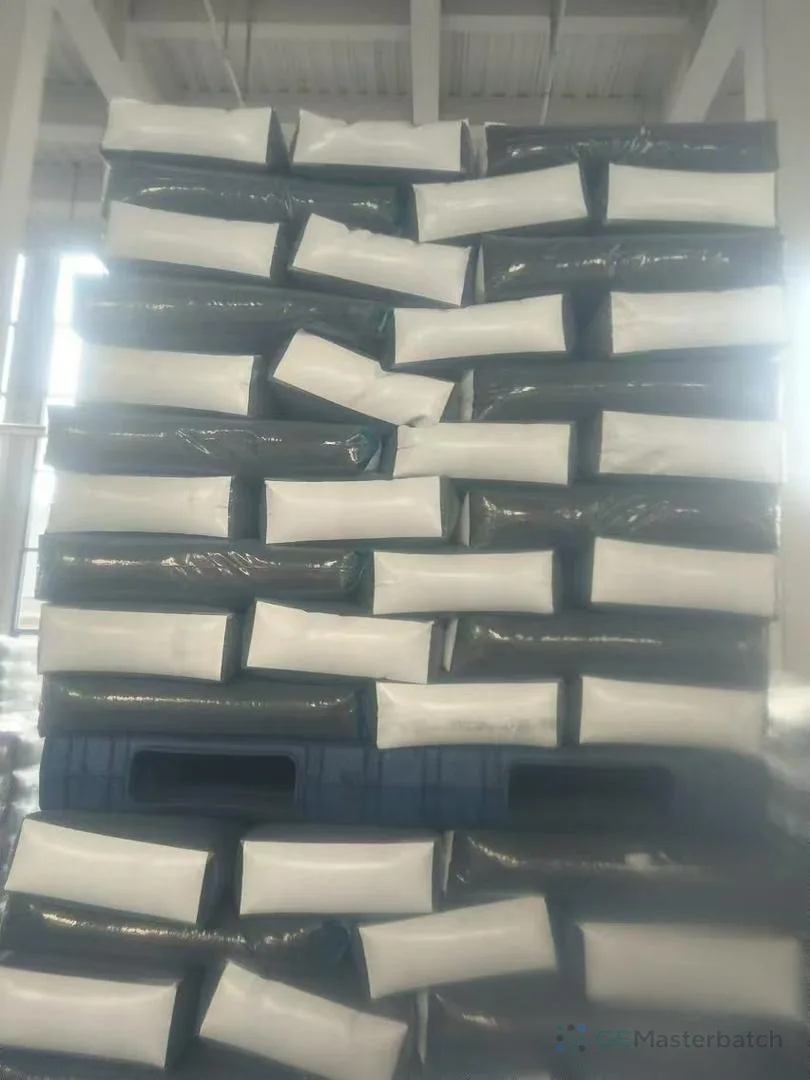
| Packaging | 25 kg per bag |
| Addition ratio | 2%–5% recommended, adjustable to production |
| Applications | Film blowing, injection molding, re-granulating |
Start with the current TDS and available batch records, then verify PT-300 against your resin, process and appearance target before a production order.
Check the current TDS for carbon black, carrier, filler, moisture and MFI scope.
Share the base resin, film or part requirement and intended addition ratio.
Check blackness, dispersion, filter response, feeding and surface at the final ratio.
45 practical questions on product position, processing, purchasing and document scope. Open a group or go directly to the question you need.
Request PT-300 TDSPT-300 is a pelletized black masterbatch from GE CHEMICAL that carries 25% virgin carbon black in an LLDPE + LDPE carrier with PE wax, stearic acid, and 41.8% CaCO₃ filler. You dose the black granules into your base resin instead of handling dusty carbon black powder. The grade is built for film blowing, injection molding, and re-granulating, where you need stable opacity at a filled, cost-aware price point rather than a premium near-filler-free jetness grade.
A carbon black masterbatch is simply a black masterbatch whose pigment is carbon black (Pigment Black 7). PT-300 belongs in that category: its color and opacity come from 25% virgin carbon black dispersed in polyethylene carrier. When buyers search for carbon black masterbatch, they usually want UV opacity and deep black from pigment, not a dye-based tint. PT-300 delivers that pigment route in a filled, production-friendly pellet for PE film and molding lines.
Both grades are filled, cost-effective blacks from GE CHEMICAL, but the loadings differ. BK020 uses 20% carbon black, 22% LLDPE + LDPE carrier, and 47.8% CaCO₃. PT-300 uses 25% carbon black, 21% carrier, and 41.8% CaCO₃. That means PT-300 puts more pigment and less filler in each kilogram of pellet, which can help opacity at similar let-down ratios. Applications on the TDS also stress film blowing, injection molding, and re-granulating. See BK020 when you want the lower-pigment filled option; choose PT-300 when you want the 25% filled step-up.
BK040 is a premium 40% carbon black grade with only about 5.8% CaCO₃ filler, aimed at maximum jetness and low dosage. PT-300 is a 25% filled grade with 41.8% CaCO₃, aimed at cost-effective film, molding, and regrind work. If you need the deepest gloss black at the lowest addition rate, move toward BK040. If you need dependable opacity with filled economics for high-volume film blowing or recycled plastic, PT-300 is the practical match.
A 25% loading sits between a heavily filled 20% workhorse and a premium 40% low-filler grade. You get more pigment per kilogram than a 20% pellet, which can improve opacity or let you fine-tune dosage, while still keeping a substantial CaCO₃ share that holds the price for bags, utility moldings, and re-granulating. Use 25% when your line needs stronger black than a basic filled grade but does not justify a near-filler-free premium concentrate.
PT-300 uses a 21% LLDPE + LDPE carrier. The carrier is the polymer bridge that melts into your polyethylene base resin and carries the carbon black with it. A matched PE carrier helps the pellet mix inside a normal PE process window instead of leaving gels, matte patches, or weak spots. For film blowing and many PE injection or regrind recipes, that LLDPE + LDPE package is the natural fit stated on the TDS.
For simple PP parts you may get acceptable color, because PE and PP are both polyolefins. For demanding PP moldings, a PE carrier can soften the part or hurt surface quality. If your base resin is PP, tell us before you lock PT-300 — we can discuss a PP-carrier option rather than forcing a PE-carrier grade into a job it was not written for on the datasheet.
Carbon black percentage sets how much pigment sits in the pellet. Carrier match decides whether that pigment actually develops cleanly in your melt. A mismatched carrier can leave streaks, gels, or dull surfaces even when the datasheet shows a strong carbon black number. PT-300’s LLDPE + LDPE carrier is written for PE film blowing, injection, and re-granulating, so the percentage and the carrier work together instead of fighting your resin.
The TDS recommends 2%–5% by weight, or an adjustment based on your actual production. Too little leaves grey or translucent product; too much wastes concentrate and can affect flow and mechanics. Start inside 2%–5% on a short trial, check opacity and filter pressure, then lock the ratio for repeat runs. Film gauge, regrind color, and machine mixing all change the exact sweet spot.
Use the lower end when film is thicker, regrind is already dark, or opacity looks strong early in the trial. Move toward the upper end for thin film, lighter natural resin, or recycled streams that need extra masking. Always judge by finished blackness and defect rate, not by copying another plant’s percentage. PT-300’s 25% loading often reaches target opacity inside the stated 2%–5% window without jumping to a premium high-loading grade.
MFI (melt flow index) describes how easily the masterbatch melts and flows under a set load and temperature. For PT-300, the TDS lists 3–50 g/10 min at 190°C and 21.6 kg, adjustable to demand. If masterbatch MFI sits far from your base resin, the two materials can travel through the screw at different speeds and leave streaks. Matching MFI to your machine and resin is a practical way to keep color uniform.
Yes. The TDS states that MFI can be adjusted as per your demand inside the published working idea of 3–50 g/10 min at 190°C / 21.6 kg. Send your base resin MFI, process temperature, and whether you blow film, inject, or re-granulate. We then align the pellet flow so PT-300 mixes cleanly instead of forcing you to fight streaks with higher dosage alone.
It means the carbon black is broken down and held in the carrier so you should not see discrete black speckles in film or molded surfaces under normal processing. Poor dispersion shows up as spots, tiger stripes, or rising screen pressure. PT-300’s TDS rates dispersion as good with no carbon black spot, which is the practical quality you care about when thin film or glossy molded faces make every agglomerate visible.
Softening describes how cleanly the concentrate melts and passes screen packs without building pressure from undispersed pigment or hard residues. PT-300 is rated good for softening and stated not to block the filter. On a film or regrind line, that translates to more stable filter life and fewer unplanned screen changes when you stay inside normal process windows and keep moisture under control.
Because content is only one number. Carbon black grade, carrier type, dispersant system, filler level, and compounding quality all change the result. One 25% grade can look deep and clean; another can look grey and speckled at the same dose. Judge PT-300 by a line trial — opacity, filter pressure, and surface — not by matching percentage alone on two datasheets.
PT-300 contains 41.8% CaCO₃ filler. Filler lowers the cost per kilogram of concentrate and supports high-volume film, molding, and re-granulating economics. The trade-off versus a near-filler-free grade is typically less gloss and a different balance of mechanical properties. For refuse film, utility moldings, and recycled plastic coloring, that trade-off is often the right commercial choice. For maximum gloss jetness, look at a low-filler grade such as BK040 instead.
Yes, when dispersion and moisture stay under control. Thin film reveals agglomerates quickly, so the TDS notes on good dispersion and no carbon black spot matter as much as the 25% loading. Run a short blown-film trial at your target gauge, watch for spots and streaks, and confirm filter behavior. PT-300 is explicitly listed for film blowing on the datasheet, so it is meant for that duty within its filled design.
Match the PE carrier to your LDPE or LLDPE film resin, start inside the 2%–5% let-down range, keep bags sealed so moisture stays near the 0.2% max control, and check opacity across the roll. Confirm that screen pressure stays stable — the TDS softens as “do not block the Filter.” For shopping bags, refuse film, or general black blown film, PT-300 is built as a filled black masterbatch for film blowing rather than a pipe-only UV specialty.
Yes. The TDS lists injection molding as a primary application. You want uniform color, clean surfaces, and flow that matches the molding resin. PT-300’s adjustable MFI, good dispersion claim, and 0.2% max moisture support general black molded parts. Validate weld lines and flow marks on a short shot trial, then lock dosage. For high-gloss cosmetic parts, compare against a lower-filler grade before you standardize.
Yes. Re-granulating is listed on the TDS alongside film blowing and injection molding. Black is widely used to mask color variation in regrind, and a filled 25% grade helps keep coloring cost under control while covering mixed feedstock tones. Because recycled resin varies lot to lot, run a trial on your specific regrind stream, then set the addition ratio inside or near the 2%–5% recommendation based on what you see.
Recycled PE often arrives with inconsistent natural color. Black covers that variation better than many lighter colors, so converters can sell a uniform black pellet or part from mixed feedstock. PT-300’s filled design and 25% carbon black loading support that masking job without forcing a premium low-filler concentrate into every regrind recipe. Always confirm the final shade on your own regrind, because feedstock darkness changes the dose you need.
Moisture is controlled to 0.2% max on the TDS. Excess moisture turns to steam in the barrel and creates bubbles, voids, splay, or uneven film. That risk rises in humid storage or when bags stay open. Keep PT-300 in sealed 25 kg bags, reseal between uses, and pre-dry if your plant climate is very humid. Moisture control is as important as carbon black percentage for clean film and molded surfaces.
PT-300 is packed in 25 kg bags. Use intact bags, store them dry, and avoid leaving opened bags exposed overnight. Consistent packaging helps protect the 0.2% max moisture target during shipping and warehouse storage. If you need a different pallet layout for your forklift or silo feeding system, raise that when you request a quote so packing can be discussed before shipment.
The granule size is 2.5mm × 2.5mm × 2mm. Uniform pellets feed more evenly through volumetric or gravimetric dosing and reduce bridging compared with irregular chips. Size alone does not guarantee dispersion quality, but consistent granules make dosing repeatable — which is what you need when you lock a 2%–5% let-down ratio for film or molding.
The TDS lists PE wax and stearic acid at 12% as the dispersion agent package. These aids help wet and separate carbon black during compounding so the pigment stays distributed in the carrier. On your line, the practical proof is the “good dispersion, no carbon black spot” claim plus stable filter behavior. If you see spots after a supplier change, compare dispersion quality before you simply raise dosage.
Do not stop at price per kilogram. Calculate cost per ton of finished product: masterbatch price × actual addition rate. A cheaper pellet that needs a higher dose can cost more per ton of film or molded output. Factor in scrap from spots or filter changes as well. With PT-300, compare the filled 25% economics against both lower-pigment filled grades and premium low-filler grades using your real let-down ratio, not the datasheet percentage alone.
Multiply the masterbatch carbon black content by the let-down ratio. At 25% carbon black and 4% addition, the finished compound carries about 1% carbon black from the masterbatch (0.25 × 0.04). That is a starting estimate only — opacity also depends on film thickness, pigment grade, dispersion, and any color already in recycled resin. Use the estimate to plan trials, then confirm visually and with your QC method on the actual product.
Send your base resin type and MFI, process method (film blowing, injection molding, or re-granulating), approximate processing temperature, product thickness or film gauge, target blackness or opacity, planned addition ratio if you already have one, and monthly volume. With those details we can confirm whether PT-300 fits, whether MFI should be adjusted, and what sample size makes sense before bulk supply.
Yes. GE CHEMICAL provides a free sample so you can check dispersion, filter behavior, moisture-related surface quality, and final blackness on your own line. Tell us your base resin and application, and we will arrange a trial quantity of PT-300. Approve the sample under your real process conditions before you convert the rest of the plant.
The current TDS covers appearance, model, granule size, carbon black content, carrier, dispersing agents, filler, softening, dispersion, moisture, MFI, packaging, addition ratio and applications. Request the controlled TDS through the document form. COA and SDS availability should be confirmed for the exact lot, grade and application before production approval.
Every lot is lab-tested for carbon black content, moisture, and melt flow before shipment. That keeps tint strength and processing behavior aligned with the sample you approved. Consistency matters because operators otherwise quietly raise the let-down ratio to chase color, which raises your real cost. Stable PT-300 lots let you keep the same recipe across weeks of film blowing, molding, or re-granulating.
Specks and tiger stripes usually come from poor dispersion, carrier mismatch, or unstable dosing — not from “not enough masterbatch” alone. Raising dosage will not erase agglomerates; it can even make streaks worse. PT-300 is rated for good dispersion with no carbon black spot, so if defects appear after a grade change, compare dispersion and carrier first. Also check for contamination, worn screens, and moisture-related surface noise that can look like pigment defects.
Common causes include addition rate too low for the gauge, a coarser pigment package, incomplete dispersion that scatters light, or a light-colored recycled feedstock that needs more masking. Check your let-down ratio inside the 2%–5% window first, then confirm dispersion and film thickness. PT-300’s 25% loading often solves mild greyness versus a weaker filled grade, but a line trial is still required before you change the whole plant.
Moisture is the first suspect. Steam forms in the barrel and leaves bubbles, voids, or splay. Keep PT-300 near the 0.2% max moisture control by storing sealed 25 kg bags in a dry area. In humid seasons, consider a short pre-dry step and avoid leaving hoppers open. Also rule out wet base resin or recycled flake, because moisture problems are not always coming from the masterbatch alone.
Store bags indoors, off the floor, away from rain and steam, and keep them sealed until use. Reseal opened bags promptly. Good storage protects the moisture specification and keeps pellets free-flowing for dosing. Avoid long outdoor storage in tropical ports without cover. Stable storage is a cheap way to protect the quality you paid for in a filled black masterbatch like PT-300.
Confirm resin, MFI, temperatures, target gauge or part thickness, and a starting dose inside 2%–5%. Run a short lot, watch filter pressure, scan film or parts for spots and streaks, and keep retained samples of both the masterbatch and the finished product. Compare against your current black if you have one. A lab plaque test helps, but a real film blower or injection machine is the decisive check for PT-300.
No. The TDS applications are film blowing, injection molding, and re-granulating. Pipe UV grades often need a specific carbon black type and a finished-pipe carbon black level with very fine dispersion for long outdoor life. If you need a pipe-focused UV black, tell us that requirement separately instead of assuming a general filled film/molding grade like PT-300 is automatically a pipe standard.
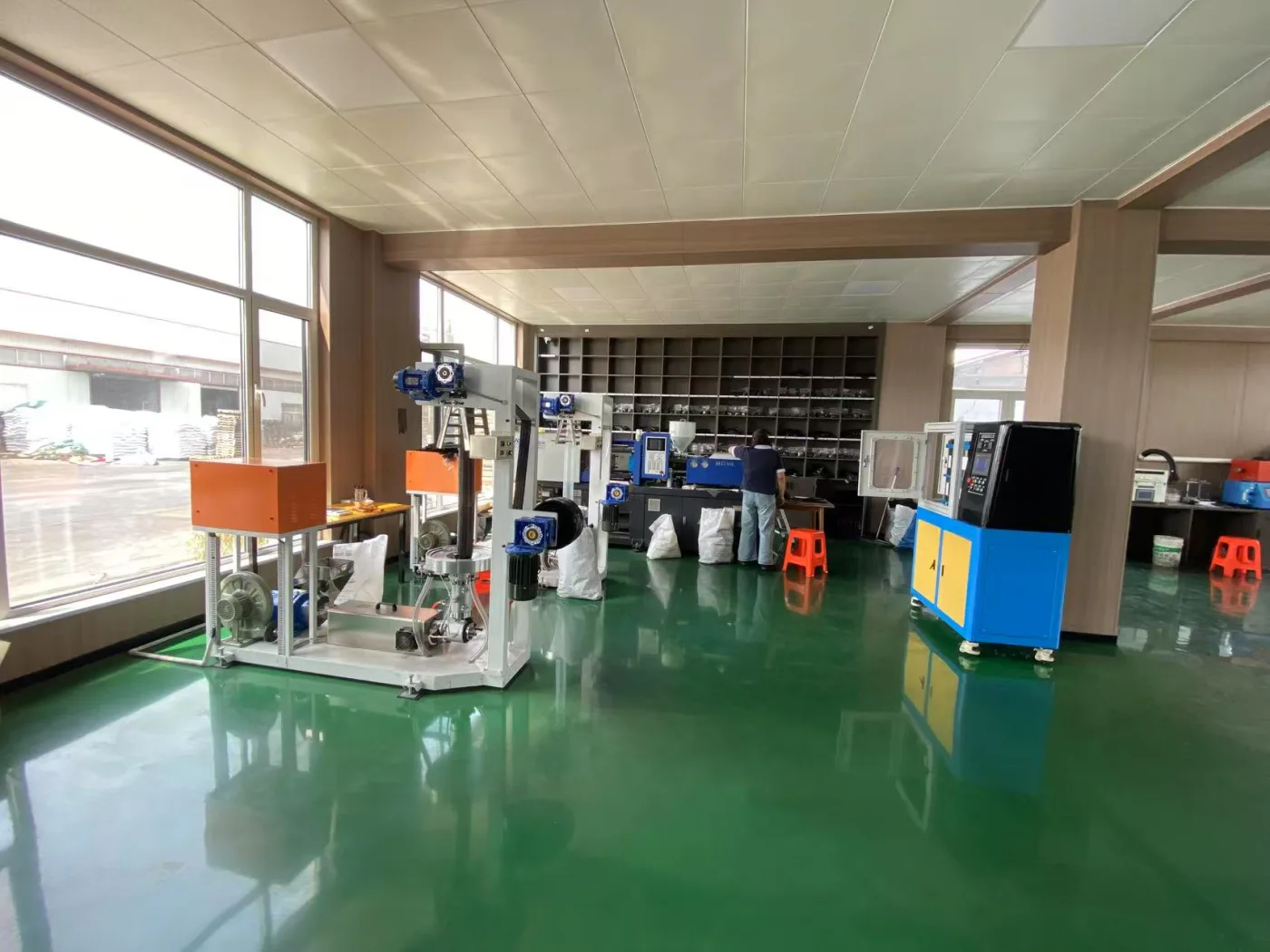
GE CHEMICAL & POLYMER GROUP CO., LTD is based in Shandong, China. Company materials list 12 production lines, annual capacity above 50,000 tonnes and service to more than 30 markets. Grade-specific availability and documents still require review before a repeat order.
Besides the black range (BK020–BK040 and PT-300), GE CHEMICAL supplies desiccant masterbatch for moisture-control requirements. Many plants buy black for film or regrind and desiccant for other moisture-exposed SKUs. Keep the product functions, grade approvals and document requests separate even when sourcing through one contact.
The 41.8% CaCO₃ filler and 25% carbon black balance are meant for plants that need opaque black every day without paying premium low-filler prices on every ton. You still get a step up from a 20% filled grade, which can reduce the risk of grey film at thin gauges. Combine that with stable lab-controlled lots and a locked 2%–5% dose, and your cost per ton of output becomes predictable — which matters more than a headline pellet price.
At minimum, verify appearance (black granule), moisture if you have a rapid method, melt flow if MFI matching matters on your line, and a small dispersion or film plaque check against your retained approved sample. Compare COA values for carbon black content, moisture, and MFI with your purchase specification. Keep a sealed retain from the approved sample lot so future lots have a visual and process reference.
Within normal practice we can discuss MFI adjustment to demand, as stated on the TDS, and we can advise whether a different black grade in the BK020–BK040 family fits better than forcing PT-300 into the wrong job. Major changes to carbon black content or filler level may mean a different model rather than a silent rewrite of PT-300. Share your target, and we will point you to the right grade instead of over-promising on one datasheet.
If your current grade needs a high dose and still looks grey or speckled, raising dosage further is often the expensive path. Moving to PT-300’s 25% filled loading can improve opacity and masking at a similar or lower effective cost per ton of product. If you already run clean opacity at low dose with a premium grade, staying there may be smarter than switching to a filled 25% pellet. Choose based on trial cost per finished ton, not habit.
Read the black masterbatch pillar for family-level selection logic, BK020 for the 20% filled neighbor grade, and BK040 for the 40% low-filler premium option. If moisture control is a separate requirement, continue to desiccant masterbatch.
Yes, when your first jobs are PE film blowing, general injection molding, or re-granulating and you need a filled, cost-aware black rather than a cosmetic high-gloss specialty. The TDS parameters are clear, the addition window is familiar (2%–5%), and free sample support lets you prove the grade before volume. If your first brief is maximum jetness at minimum dose, start the conversation on BK040 instead; if you need the lowest-pigment filled option, compare BK020 in parallel.
GE CHEMICAL runs 12 production lines with over 50,000 tonnes of annual capacity and serves customers in more than 30 markets. In-house laboratory testing supports review of documented masterbatch grades.

Ready to test 25% carbon black masterbatch PT-300? Send the base resin, process and monthly volume. Include the final application and appearance target so the team can review the grade and sample route.